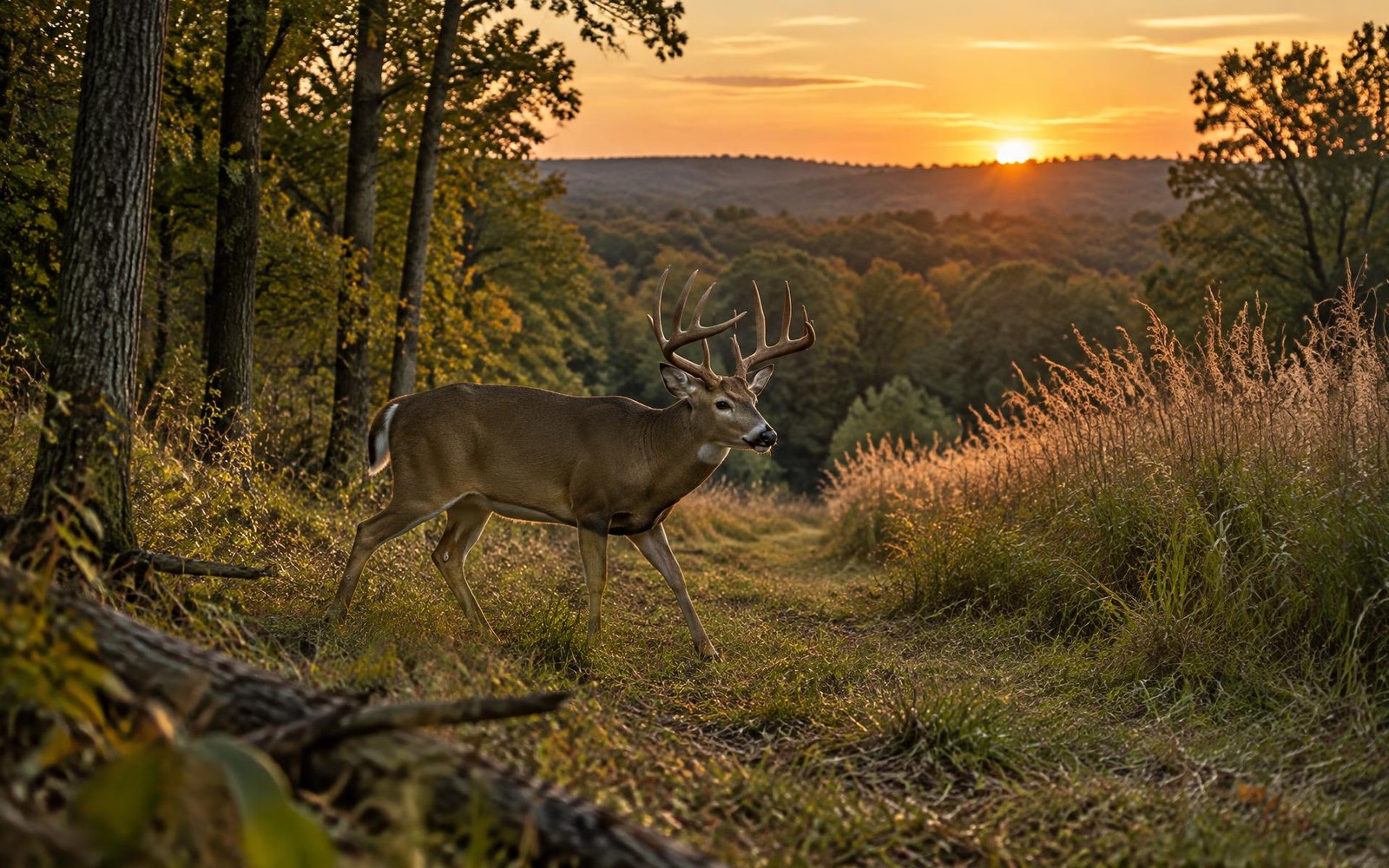
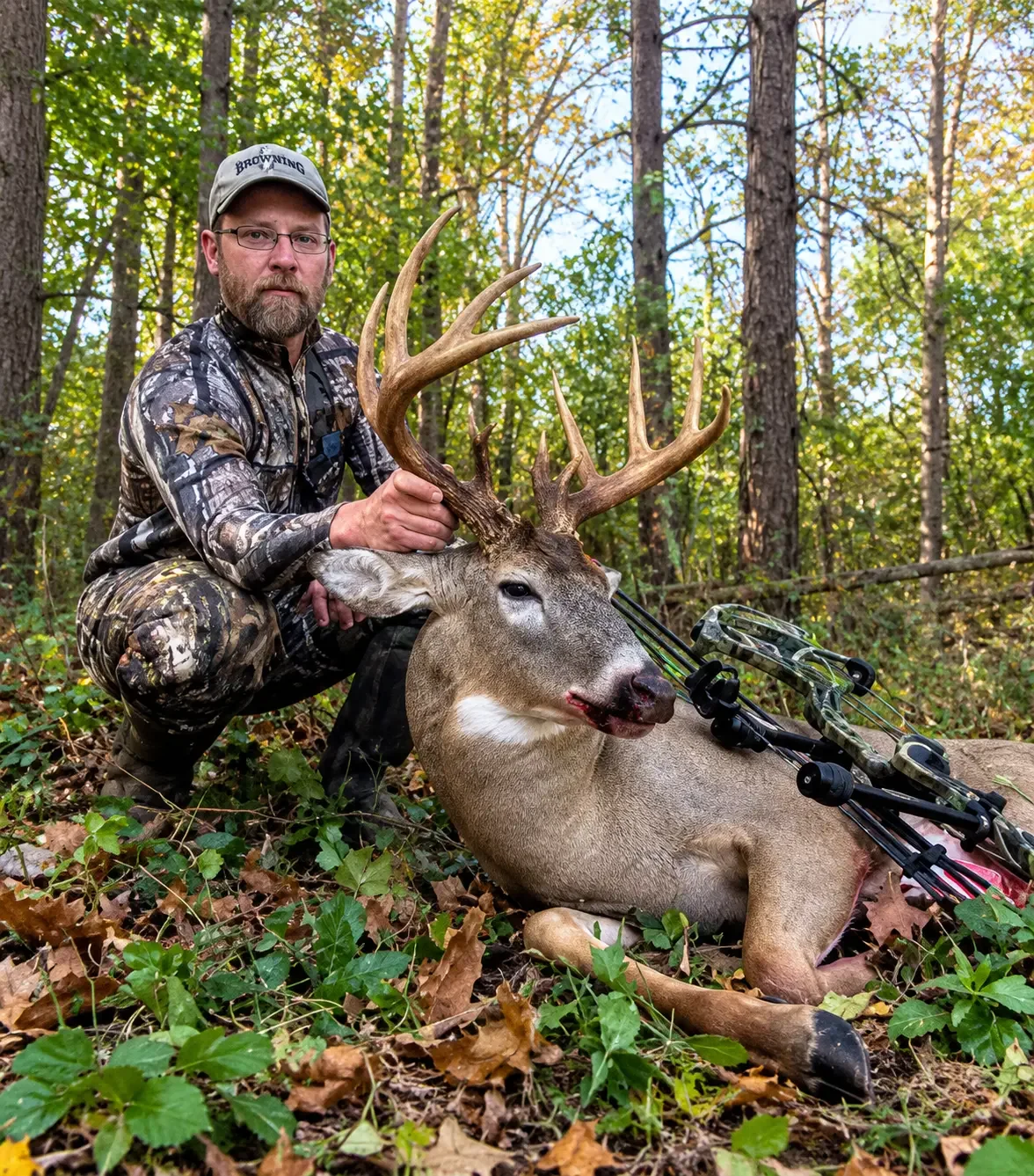
Managing a property for whitetail deer involves much more than planting food plots or hanging a few tree stands. Deer Property Management is about understanding how deer use the land and making strategic improvements that support habitat, movement, security, and hunting opportunities. Because every property is different, the most effective approach starts with studying the land and creating a plan around the owner’s goals.
At Habitat Guys, the focus is on practical, property-specific strategies rather than relying on a cookie-cutter management plan.
What is Deer Property Management?
Deer Property Management is the process of improving and organizing a property to create better whitetail habitat while supporting effective hunting strategies. This can involve evaluating food sources, bedding cover, water, travel corridors, sanctuaries, stand locations, and hunter access.
The goal isn’t necessarily to change everything on a property. Instead, it is to identify what is already working, determine where improvements are needed, and make changes that encourage desirable deer movement while minimizing unnecessary disturbance.
What Should You Evaluate Before Managing a Deer Property?
Before making habitat improvements, take time to understand the property from a deer’s perspective. Look at:
- Existing bedding and security cover
- Natural and planted food sources
- Water availability
- Travel routes and funnels
- Terrain and property boundaries
- Potential stand locations
- Hunter entry and exit routes
- Signs showing how deer currently use the property
This assessment is one of the most important parts of effective Hunting Property Management. A property may have excellent habitat, but poorly planned access or excessive hunting pressure can prevent you from taking advantage of it.
What are the Key Elements of Effective Deer Habitat?
Good deer habitat brings several elements together instead of treating each one as an isolated improvement.
Food provides nutrition and can help influence movement when strategically placed. Cover gives deer areas for bedding and security. Water provides an essential resource, while travel corridors connect different parts of the property.
Sanctuaries can also provide lower-pressure areas where deer feel secure. Meanwhile, carefully planned access routes allow hunters to reach their locations while reducing unnecessary disturbance.
The important point is that these features should work together as part of an overall property strategy.
Why Should Deer Management Match Your Hunting Goals?
There is no universal formula for managing every hunting property. Two landowners can own similar-sized properties but have completely different hunting objectives.
One may primarily bowhunt mature bucks, while another may want to improve opportunities for the entire family. Stand locations, access routes, food plots, sanctuary areas, and habitat improvements may need to be approached differently depending on those goals.
This is where working with a Deer Habitat Consultant can be valuable. Rather than simply applying a standard formula, a consultant can help develop a strategy based on the property, deer behavior, and the way the landowner actually wants to hunt.
What Deer Property Management Mistakes Should You Avoid?
Some common mistakes can reduce the effectiveness of an otherwise promising property:
- Following a generic habitat plan without evaluating the land
- Focusing exclusively on food plots
- Ignoring existing deer movement
- Placing stands without considering access
- Disturbing bedding or sanctuary areas
- Applying too much hunting pressure
- Making changes without monitoring the results
Effective management should be viewed as an ongoing process. Observe what happens after improvements are made, then adjust your strategy when necessary.
How Can a Better Deer Property Management Plan Be Created?
A practical approach is simple: study, plan, improve, hunt, observe, and adjust. Professional consultation can help identify opportunities that may not be obvious when you’re looking at your property only from a hunter’s perspective.
Habitat Guys takes a hands-on approach to property consultation and habitat planning, including discussions around deer movement, stand placement, habitat improvements, hunting strategies, and food plots.
Conclusion
Effective deer property management is not about following a fixed formula or making as many habitat improvements as possible. It is about understanding the land, recognizing how deer use it, and making thoughtful changes that support both deer habitat and your hunting goals.
With a property-specific strategy, the right improvements can enhance food, cover, movement, security, and access while helping you hunt more intentionally.
Whether you are managing a new property or improving an established one, Habitat Guys can help you develop a practical plan built around your land and the way you want to hunt.